Who's looking to impress as Canada ramps up for World Cup

Advertisement


Iceland and Tunisia were not exactly the marquee opponents Canada fans had hoped to be seeing in action at BMO Field next week, but given the current weather in Ontario, you can understand why the who’s who of international soccer would rather commit to either home games or warmer climates as they build up to the World Cup.


Regardless, both opponents will pose a challenge to coach Jesse Marsch’s hopefuls, and a handful of players will be keen to impress. Injuries have softened the quality of this squad, although several of the hobbled masses will at least be in attendance next week, but it means that there is opportunity for certain players to make a real case for consideration.


Owen Goodman

Three goalkeepers have been called up to the squad, with Goodman very much in the shadow of Dayne St. Clair and Max Crepeau. How long he remains in their shadow is something to watch closely. On loan at Barnsley in England’s League One, Goodman is in fine form having once again saved his side from certain defeat on Tuesday in a 1-1 draw with an excellent performance that fit in nicely with recent games. Goodman has clearly been labelled as Canada’s third-string goalkeeper, which means that barring some sort of injury cataclysm, he will be expected to be a great teammate, and play the role of cannon fodder at training. That’s OK, at 22 his best days are still ahead of him, but is there a scenario where he actually gets World Cup minutes, even if the aforementioned cataclysm doesn’t happen? Neither St. Clair nor Crepeau have exactly started the season in their best form, although they have certainly not been terrible. There is plenty of football before the final squad selection, but Goodman has a huge opportunity to cement his place in the 26.


Jahkeele Marshall-Rutty

The current injury malaise within the squad has focused itself very much on the defence. And while the centre-back depth in particular has been tested, it is at full-back where there are real concerns. With Alphonso Davies, Alistair Johnston, Sam Adekugbe, Zorhan Bassong all out of commission, wide defenders are scarce, to say the least. Richie Laryea and Niko Sigur likely patrol both sides next week, but the recall of Marshall-Rutty is of interest. Since breaking through with Toronto FC in 2024, the right back was sent to Montreal in an unpopular move for fans, before struggling with consistency and then spending a loan spell last season in Charlotte, before being traded to Michael Bradley’s youth movement at Red Bull New York in January. He seems to have found his feet, starting all four matches, and turning heads on more than one occasion as the Toronto FC faithful will attest to this past weekend. It is unlikely a fully fit Canada squad will have room for Marshall-Rutty, but given the ongoing injury situation, an injection of depth is needed, and the Brampton, Ont., product may well find himself in contention if he continues his form with a strong camp.


Marcelo Flores

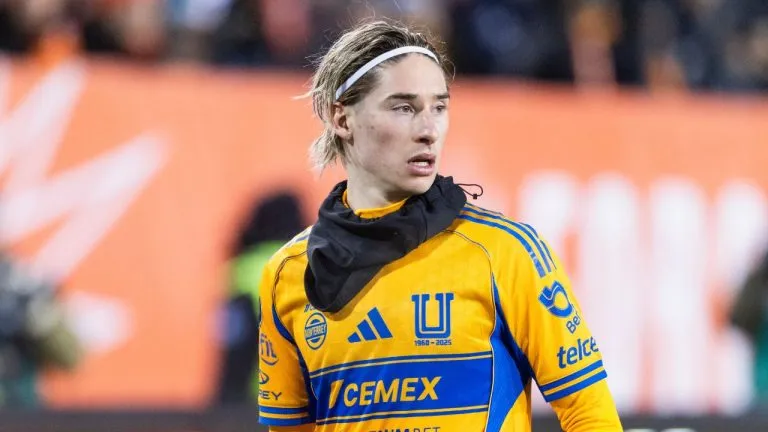
The poster boy for January’s expanded North American camp, Flores was unable to earn a debut due to frustrating international requirements that seemed to confuse even the Canada brass. Back with the squad and having officially made his one-time switch from Mexico to Canada, all eyes will once again be on him. Flores is a different player to anyone else available to Marsch: the Tigres man is a left-sided attacking midfielder who is happy to make late runs into the box. How Marsch uses him will be fascinating, and with Canada not exactly rife with goal scoring threats, he could play an important role. Off the bench? Possibly, but could a switch in formation mean starting minutes down the road? Lots to consider, but as Canada’s latest shiny new thing, there is plenty of pressure on Flores to have a breakout camp.


Aribim Pepple

Pepple is the latest new, shiny thing for Canada. Unless you make it a choice in life to follow every Canadian footballer playing anywhere in the world, you probably don’t know much about the former Cavalry man. At just 22, and already a bit of a journeyman, Pepple has exploded in League One with Plymouth Argyle, and that is to put it mildly. Twelve goals in his last 18 matches. He was stapled to the bench for much of the early part of the season, but since the year turned, he has been close to unplayable. With Promise David likely out of the World Cup through injury and no one else scoring goals on a regular basis, Pepple has a legitimate opportunity to force his way into the squad. This is the England-born striker's first call up, so there will be lots to learn about Marsch’s system. If he is able to adapt, expect to see Pepple earn minutes against Iceland or Tunisia.


Jonathan David


It really doesn’t matter if David scores another goal for Juventus between now and the World Cup, the fact is, if David is healthy, he starts, and is the team's most important player. That is not to suggest that this camp is still not extremely important for him. His goalless streak for Juve is eight matches, so he needs to find his way again, and there is no better platform than to do it with his country. David may also have several different partners up top next week, although Cyle Larin will feel like a comfy couch. No one has started more games alongside David than Larin, and with his move to Southampton going swimmingly, it is no surprise that Marsch recalled him, and likely sees a reuniting of the two for at least one of the upcoming matches. Coming out of November’s Canada camp, David looked better in Turin, and certainly the club will be hoping the same happens this time.  


If for no other reason, this needs to be a successful camp simply to take the edge off the fan base. The injuries have added to World Cup anxiety. The very fact that Canada is dealing with such anxiety is a wonderful thing. Four years ago, it felt all so new, the tournament itself was gravy, and although fans were dragged through the wringer throughout those three matches, there was still an element of imposter syndrome. Now, there are genuine expectations being placed on a good and confident set-up. The grind of continued injury news has been a challenge, so a successful camp with two solid performances both collectively and individually will kick start the “run-in” beautifully.

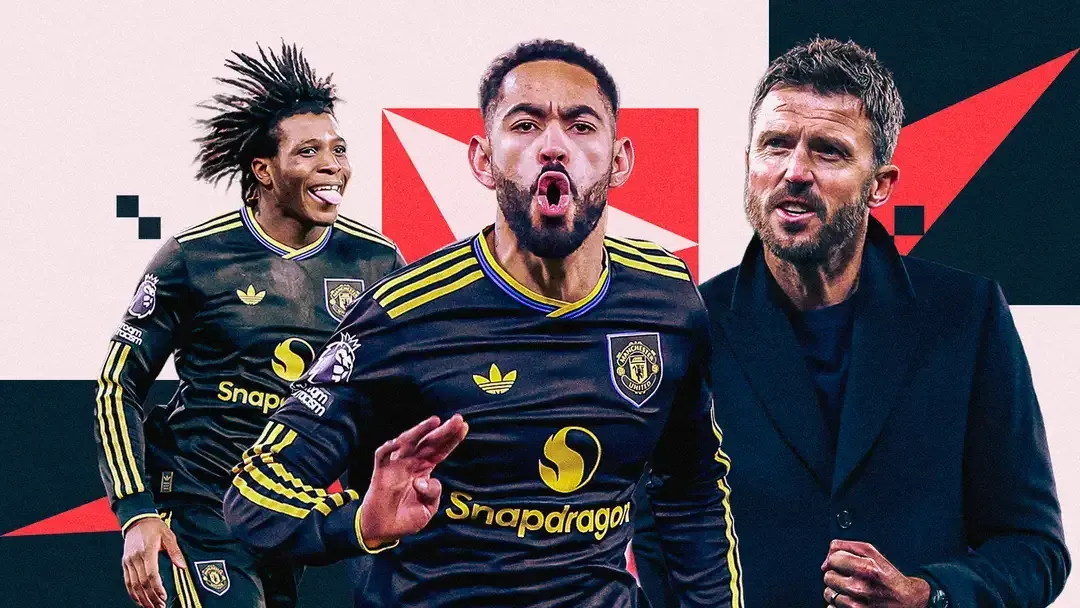
Man Utd player ratings vs Arsenal: Matheus Cunha


Arsenal 2–3 Manchester United: A Thrilling Encounter at the Emirates

Arsenal dominated the opening exchanges of the match but needed a bit of luck to take the lead. Bukayo Saka clipped the ball back to Martin Ødegaard in the penalty area, and his shot was inadvertently flicked past Senne Lammens, the Manchester United goalkeeper, by Lisandro Martínez, giving Arsenal the lead.

United's Response

Despite the early setback, Manchester United responded well. Bruno Fernandes fired two chances wide before the equaliser came from Bryan Mbeumo. The Cameroon international capitalised on a poor backpass from Martin Zubimendi, rounded David Raya in goal, and slotted home to make it 1-1.

A Stunning Strike from Dorgu

The game really ignited early in the second half when Dorgu delivered a stunning strike. Bruno Fernandes fed the ball to him, and Dorgu unleashed an unstoppable volley from just outside the penalty area. The ball flew past Raya and hit the bar before going into the net to make it 2-1 to United.

Arteta's Response

In search of an equaliser, Mikel Arteta made four changes to his team. Ben White, Viktor Gyökeres, Eberechi Eze, and Mikel Merino were all sent on to try and turn the game around. Noni Madueke followed shortly after, but Arsenalstruggled to carve out clear-cut chances.

Arsenal’s Equaliser

The equaliser came from a set piece. Mikel Merino bundled the ball home from close range after Lammens failed to punch clear a corner, bringing the score to 2-2.

United's Swift Response

However, the response from Manchester United was swift and deadly. Matheus Cunha picked up possession, curled an unstoppable finish past Raya, and secured a memorable three points for the visitors, making it 3-2.


Mar 10 09:53

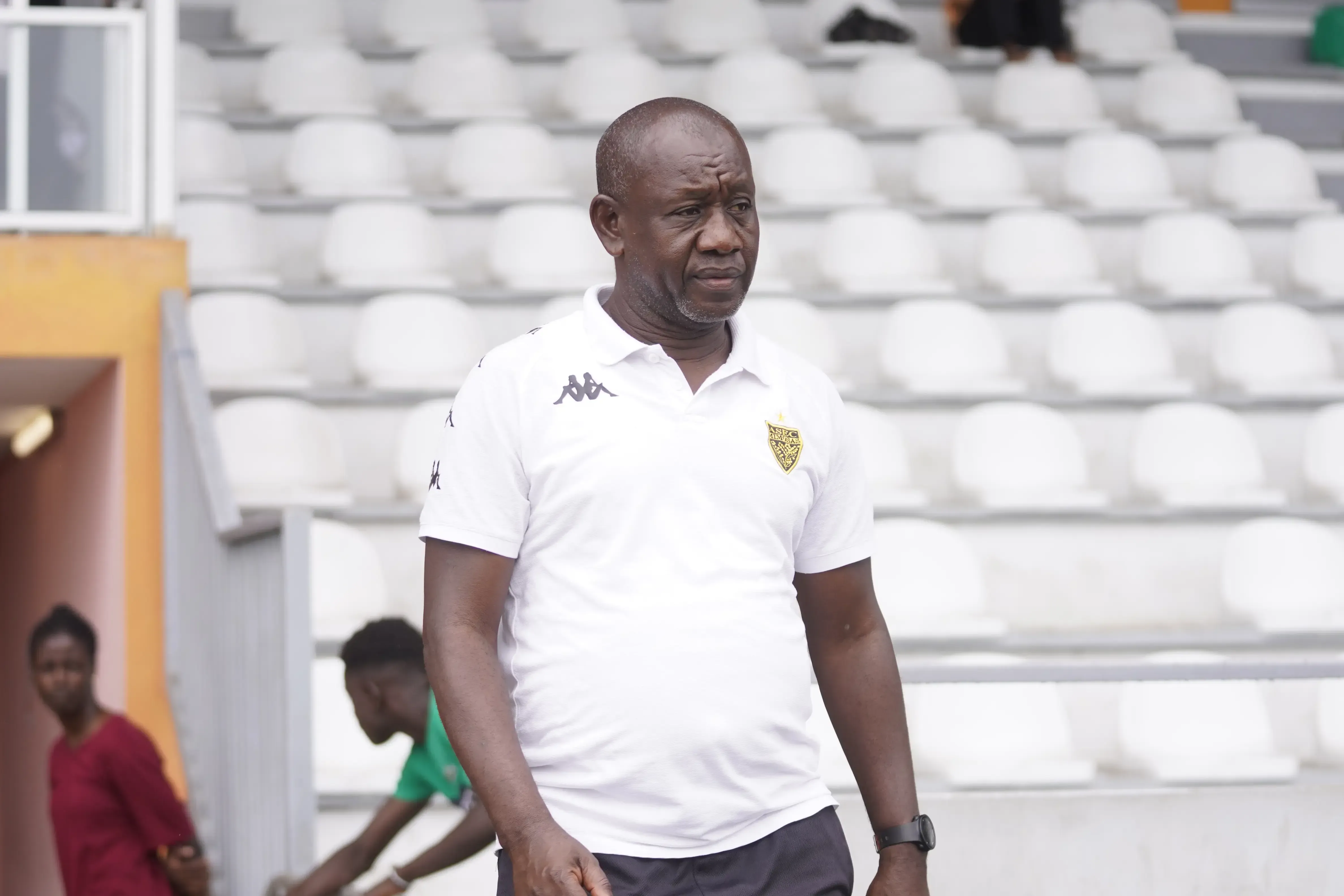
Siaka “Gigi” Traoré (ASEC Mimosas)


Siaka “Gigi” Traoré (ASEC Mimosas): “We Know We Have a Say in This Competition”

Published: Wednesday, 29 October 2025

The rise of women’s football across Africa continues to produce inspiring stories — and one of the brightest comes from Côte d’Ivoire. At the heart of this success is Siaka “Gigi” Traoré, the coach who has guided ASEC Mimosas to new heights.

In just two seasons, Traoré has transformed the Ivorian giants into national champions and winners of the WAFU B Qualifiers, earning the club a maiden ticket to the CAF Women’s Champions League 2025. This double success has not only propelled ASEC to continental prominence but also earned Traoré a place among the top 10 finalists for the CAF Awards – Women’s Football Coach of the Year. This recognition highlights his tactical acumen and his pivotal role in shaping the future of women’s football in West Africa.


Building a Winning Foundation

When Traoré arrived at ASEC Mimosas, few expected such a rapid transformation. He brought structure, tactical clarity, and a strong emphasis on preparation — the hallmarks of ASEC’s philosophy across generations.

“We’ve been preparing calmly and confidently for this new challenge,” he says. “The domestic league has been an excellent foundation for us. Everything is done with focus, discipline, and a positive mindset.”

Under his guidance, ASEC combined intensity and creativity to dominate the national scene. Their victory in the WAFU B tournament — which included a decisive win over Nigeria’s Bayelsa Queens, bronze medallists at the 2022 CAF Women’s Champions League — underlined their regional authority.

“The girls’ motivation made the difference,” recalls Traoré. “They wanted to become the first generation of ASEC players to reach the CAF Women’s Champions League. After several near misses, this was our moment, and they seized it brilliantly.”


A New Voice in Women’s Football

Few coaches can claim to have led both men’s and women’s teams at the same club. Traoré’s unique journey through ASEC, SC Gagnoa, and Stade Malien has given him a rare perspective on the game.

“I had never coached a women’s team before this experience,” he admits. “At first, it was an adjustment, but I quickly found my rhythm. Working with the women’s side has been incredibly rewarding. It has expanded my understanding of the game and strengthened my belief in the power of discipline and collective effort.”

As both mentor and tactician, Traoré has shaped a distinct identity for his team — one rooted in expression, intelligence, and joy in playing.

“Our philosophy is simple: play the game well, and the results will follow. I encourage the players to express themselves on the pitch without fear or pressure. With time, that mindset has become part of our DNA.”


A Project Beyond Trophies

Beyond the silverware, ASEC’s qualification represents a turning point for women’s football in Côte d’Ivoire. The club’s model — blending professional standards, youth development, and a clear tactical identity — signals a new era for the Ivorian game.

“We don’t feel pressure going into this competition,” says Traoré. “It’s our first time at this level, so our priority is to learn and grow. We know we have a say in the competition, even if we’re not the favourites. That freedom allows us to play with courage and confidence.”

“Women’s football is progressing everywhere,” he observes. “You can see the improvements across Africa — better structures, more competitive leagues, and more visibility. The evolution is clear, and Côte d’Ivoire is part of that story.”


Recognition and Responsibility

Being named among the CAF Awards finalists crowns a remarkable year for the Ivorian coach — but for Traoré, the honour is shared.

“This nomination reflects collective work — from the players to the staff and the club leadership,” he insists. “It motivates us all to continue improving, to push further, and to make Côte d’Ivoire proud on the continental stage.”


Eyes on the Future

As the Actionnaires prepare for their debut in the CAF Women’s Champions League 2025, Traoré remains grounded yet ambitious. His message to his players is clear: respect every opponent, trust the process, and play without fear.

“We know the level will be very high,” he concludes, “but ASEC has always stood for excellence. Whether in men’s or women’s football, our identity is built on hard work and belief. We’re going to represent Côte d’Ivoire with pride — and show that we have our own voice in African football.”

Mar 10 09:48

From Eto’o to El Hadary: The records every AFCON star faces in Morocco


From Eto’o to El Hadary: The Records Every AFCON Star Faces in Morocco

Published: Thursday, 18 December 2025

With just three days remaining until the TotalEnergies CAF Africa Cup of Nations, Morocco 2025 begins, African football once again turns to a tournament where history weighs heavily on every kick of the ball. On Sunday, when hosts Morocco face Comoros in Rabat, a new chapter will open — but one written against the backdrop of records forged across nearly 70 years of continental competition.

AFCON has always been a proving ground not just for teams, but for endurance, consistency, dominance, and moments of pure brilliance. Some players defined the tournament by how often they returned. Others did so through goals that changed matches, tournaments — and national narratives.

As 24 nations gather in Morocco with ambition and belief, these records stand as the benchmarks every player will chase, knowingly or not, over the next month.


AFCON Records to Watch for in Morocco 2025

Most Appearances at the Africa Cup of Nations (8 Tournaments)

Record Holders:

  • Rigobert Song (Cameroon): 1996, 1998, 2000, 2002, 2004, 2006, 2008, 2010
  • Ahmed Hassan (Egypt): 1996–2010
  • Andre Ayew (Ghana): 2008–2023
  • Youssef Msakni (Tunisia): 2010–2023

Record Insight:
Appearing in eight AFCON tournaments is a testament to longevity at the highest level of African football. These players spanned generations of teammates and opponents, surviving tactical evolutions, physical demands, and rising competition.


Most Matches Played at the AFCON Finals (36 Matches)

Record Holders:

  • Rigobert Song (Cameroon)
  • Andre Ayew (Ghana)

Record Insight:
Both Song and Ayew share the record for most matches played at AFCON finals. Song’s tally came through Cameroon’s sustained success from the late 1990s to early 2000s, while Ayew’s appearances reflect Ghana’s consistency across four decades.


Most AFCON Titles Won as a Player (4 Titles)

Record Holders:

  • Ahmed Hassan (Egypt): 1998, 2006, 2008, 2010
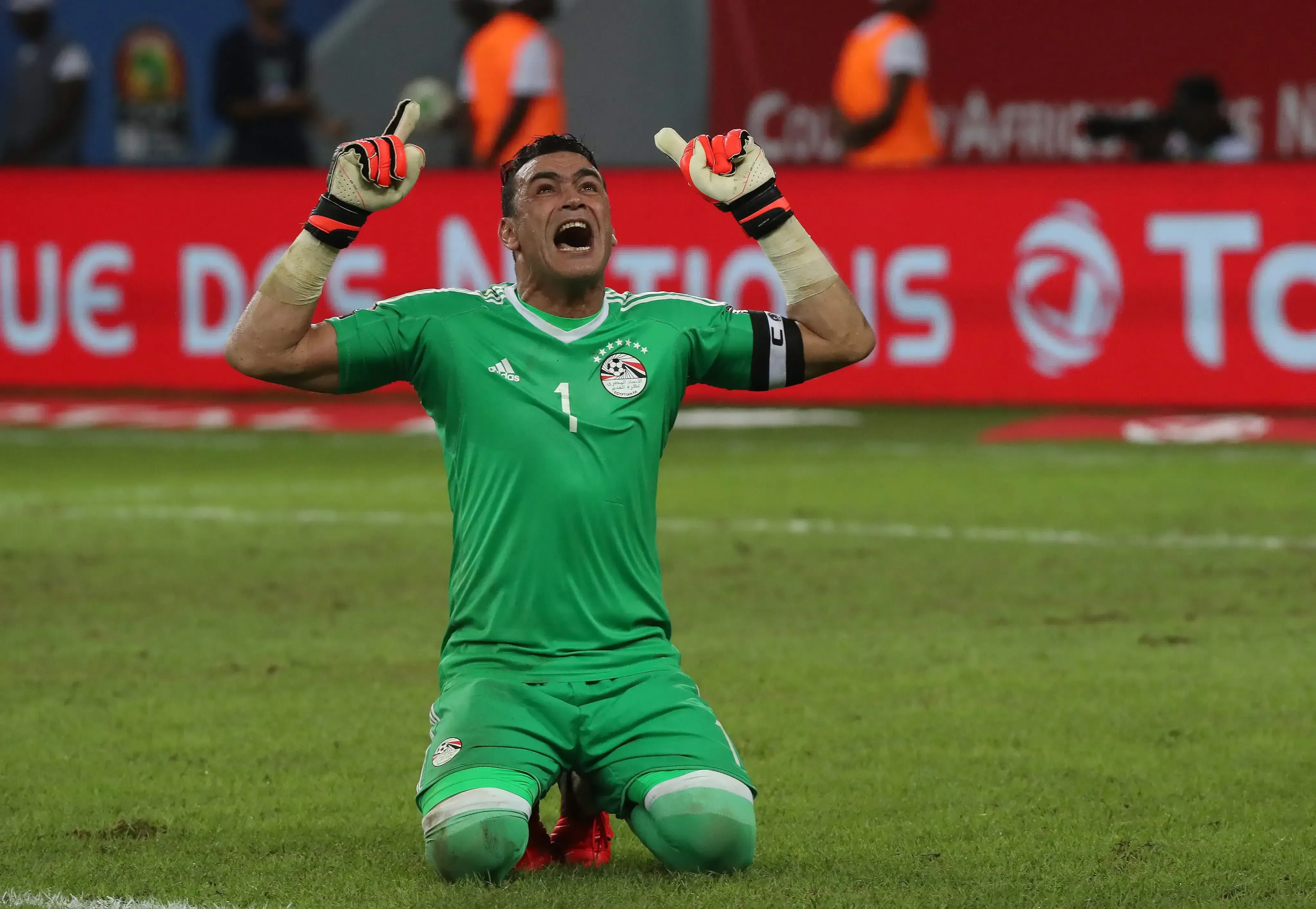
  • Essam El Hadary (Egypt): 1998, 2006, 2008, 2010

Record Insight:
No players symbolize AFCON dominance more than Ahmed Hassan and Essam El Hadary. Both were central to Egypt’s three consecutive titles from 2006 to 2010, having already tasted glory in 1998.


Most Goals Scored in a Single AFCON Tournament (9 Goals)

Record Holder:

  • Pierre Ndaye Mulamba (DR Congo / Zaire) – 1974

Record Insight:
At the 1974 AFCON in Egypt, Mulamba scored 9 goals, including all four goals in the two-match final replay against Zambia. His performance remains unmatched over 50 years later.


Most Goals Scored by an Individual in a Single AFCON Match (5 Goals)

Record Holder:

  • Laurent Pokou (Côte d’Ivoire) – 1970

Record Insight:
Pokou scored 5 goals in a 6–1 win over Ethiopia during the 1970 AFCON in Ethiopia, setting a record for the highest individual scoring performance in a single AFCON match.


Highest-Scoring Match in AFCON History (Egypt 6–3 Nigeria, 1963)

Key Facts:

  • Total Goals: 9
  • Venue: Baba Yara Stadium, Ghana
  • Tournament: 1963 AFCON

Record Insight:
The 1963 finals saw Egypt defeat Nigeria 6–3, in the most goal-laden match in AFCON history. The match also featured two hat-tricks by Egyptians Hassan El-Shazly and Reda.


Fastest Goal Ever Scored at AFCON (23 Seconds)

Record Holder:

  • Ayman Mansour (Egypt) – 1994

Record Insight:
Mansour scored after just 23 seconds in a 1994 AFCON match against Gabon, a match Egypt went on to win 4–0. This is the first record that could fall as Morocco 2025 begins — a reminder that history can change in the blink of an eye.


Most Goals Scored in AFCON History (18 Goals)

Record Holder:

  • Samuel Eto’o (Cameroon)

Record Insight:
Across six tournaments between 2000 and 2010, Eto’o became AFCON’s all-time top scorer, setting the benchmark for sustained excellence across multiple editions.


Most Hat-Tricks at the AFCON (2 Hat-Tricks)

Record Holder:

  • Hassan El-Shazly (Egypt)

Record Insight:
El-Shazly is the only player to score two AFCON hat-tricks — once in 1963 and again in 1970, both against Nigeria.


As Morocco 2025 Begins…

When Morocco hosts Comoros on Sunday, the chase for these records begins once again. Some records may fall. Most will endure. But every match will be played in the shadow of legends who defined what greatness looks like at Africa’s biggest football stage.

Mar 10 09:41

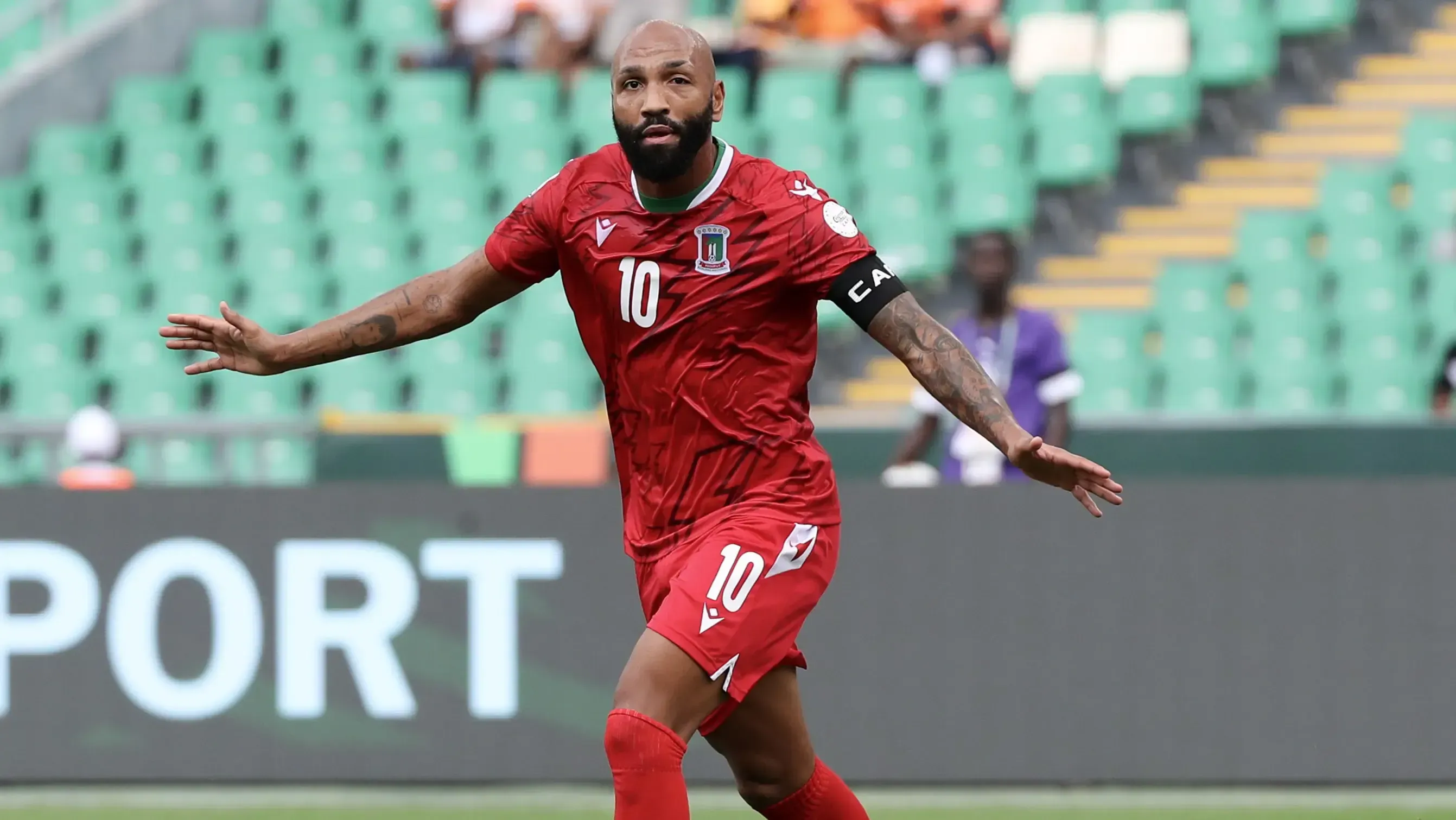
Equatorial Guinea name experienced squad as Nsue returns to lead Nzalang Nacional


Equatorial Guinea Name Experienced Squad as Nsue Returns to Lead Nzalang Nacional

Published: Sunday, 14 December 2025

Equatorial Guinea coach Juan Michà has unveiled his final 28-man squad for the 2025 TotalEnergies CAF Africa Cup of Nations (AFCON), blending continuity, leadership, and a core of Europe-based players as Nzalang Nacional aim to replicate their recent tournament successes in Morocco.

The Central African nation, who have reached the quarter-finals in three of their last four AFCON appearances, will once again rely on their disciplined structure and defensive solidity — qualities that have defined their rise on the continental stage.

The squad includes several familiar names, with captain Emilio Nsue recalled to lead the group.


Key Features of the Squad:

  • Defensive Base with Players Across Europe:The squad features defenders from Spain, Italy, Romania, and England. Key figures include:Saul Coco (Torino, Italy)Carlos Akapo (Versatile right-back)Basilio Ndong (Left-sided full-back)Charles Ondo (Huddersfield Town, England)Esteban Orozco and Néstor Senra, who return to reinforce the back line.
  • Midfield Anchored by Mascarell and Obiang:Omar Mascarell (Mallorca, Spain) and Pedro Obiang (Monza, Italy) bring top-flight European experience to the midfield.Alex Balboa, Santiago Eneme, and Pablo Ganet add energy and balance, while José Machín is also included as a key figure in recent years.
  • Forward Line Led by Veteran Nsue:Veteran striker Emilio Nsue, one of the country’s greatest ever players, returns to boost the attack.He is joined by Iban Salvador, Josete Miranda, and promising young forward Loren Zúñiga (currently on Real Madrid’s books).China-based winger Luismi Nvalo and Denmark-based Dorian Junior complete a forward line that blends experience with emerging talent.


Michà: “We Want to Go as Far as Possible”

Speaking after the squad announcement, Michà emphasised his team’s ambition and consistency:

“Our objective is to compete at the highest level, always making it through the group stage and going as far as possible in the tournament.”

Equatorial Guinea has earned a reputation as one of Africa’s toughest tournament sides, having defeated heavyweights like Algeria and Cote d'Ivoire at the last AFCON. With the core of that squad retained, Michà believes his team can challenge the favourites again.


A Confident Squad with Knockout Ambitions

Drawn alongside tournament hosts Morocco, Mali, and Zambia in Group A, Equatorial Guinea faces a tough challenge. However, with a settled squad, tactical clarity, and a strong tournament pedigree, Michà believes his team can exceed expectations.


Full Equatorial Guinea Squad for AFCON 2025

Goalkeepers:

  • Jesús Owono (FC Andorra, Spain)
  • Manuel Sapunga (Sekhukhune United, South Africa)
  • Aitor Embela (CD Soneja, Spain)

Defenders:

  • Esteban Orozco (FC Argeș, Romania)
  • Marvin Anieboh (UD San Sebastián, Spain)
  • Carlos Akapo (Amazonas FC, Brazil)
  • Saúl Coco (Torino FC, Italy)
  • Basilio Ndong (FC U Craiova, Romania)
  • Michel Ngaah (Real Ávila, Spain)
  • Néstor Senra (Recreativo Huelva, Spain)
  • Charles Ondo (Huddersfield Town, England)
  • Javier Muma (Maestro United, Zambia)

Midfielders:

  • Omar Mascarell (RCD Mallorca, Spain)
  • Pablo Ganet (Real Murcia, Spain)
  • Alex Balboa (Almere City, Netherlands)
  • Alex Masogo (Beroe Stara Zagora, Bulgaria)
  • José Machín (FC Cartagena, Spain)
  • Pedro Obiang (AC Monza, Italy)
  • Santiago Eneme (Sparta Prague, Czech Republic)

Forwards:

  • Iban Salvador (Wisła Płock, Poland)
  • Josete Miranda (Kalamata FC, Greece)
  • Gael Akogo (Recreativo Granada, Spain)
  • José Nabil (FC Nantes, France)
  • Luismi Nvalo (Shanghai Shenhua, China)
  • Dorian Junior (Viborg, Denmark)
  • Loren Zúñiga (Real Madrid, Spain)
  • Emilio Nsue (CF Intercity, Spain)

Mar 10 09:39

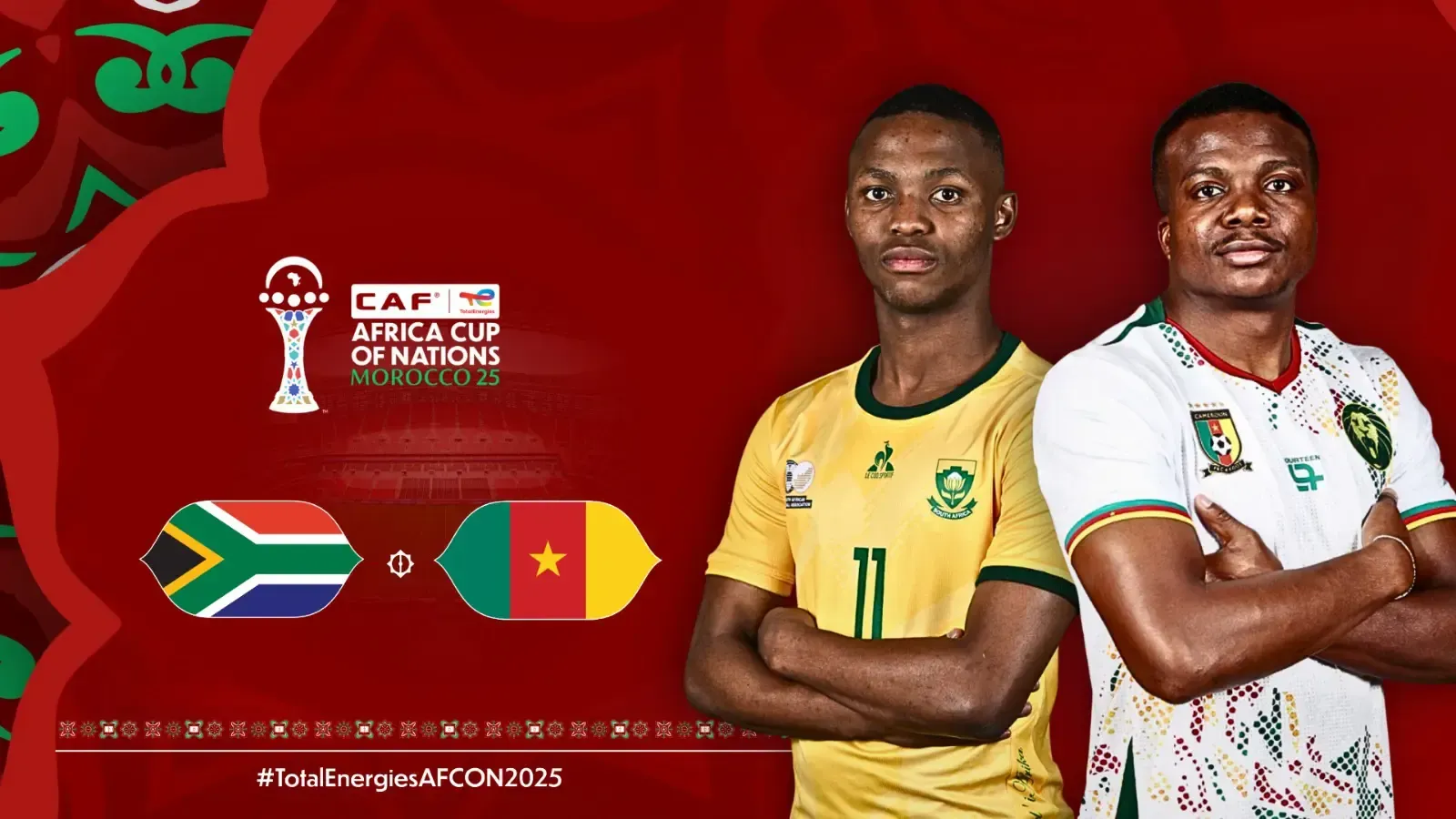
South Africa – Cameroon: Quarter-Final place on the line as Bafana Bafana face Indomitable Lions


South Africa vs Cameroon: Quarter-Final Place on the Line

Published: Sunday, 04 January 2026
Venue: Al Medina Stadium, Rabat
Time: 20:00 local time (19:00 GMT)

South Africa and Cameroon will face each other for only the second time at the TotalEnergies CAF Africa Cup of Nations (AFCON) when they meet in the Round of 16 at Al Medina Stadium in Rabat. The match is crucial, as both teams will be vying for a place in the quarter-finals.

A Historical Clash

Despite their long-standing presence in African football, South Africa and Cameroon have rarely met at the AFCON. Their only previous encounter in the tournament came in the 1996 edition, when the hosts, South Africa, defeated Cameroon 3-0 in the opening match at Soccer City. This victory marked the beginning of Bafana Bafana's historic run to their first continental title.

Across all competitions, South Africa and Cameroon have met nine times. South Africa hold a slight edge with three victories, while Cameroon have won once. The remaining five encounters ended in draws. Cameroon’s only win came in a 2-1 friendly in July 1992, and since then, the Indomitable Lions have not beaten Bafana Bafana in seven meetings(with two wins and five draws). South Africa also have three clean sheets in this fixture, compared to one for Cameroon.

Significance for Hugo Broos

The match carries extra weight for South Africa head coach Hugo Broos, who previously led Cameroon to their fifth TotalEnergies CAF AFCON title in 2017. Broos was in charge when the teams met during the 2017 qualification, with both encounters ending in 2-2 draws. On the touchline, he will be joined by assistant coach Helman Mkhalele, who was a substitute in South Africa’s iconic 1996 AFCON opening match against Cameroon.

Both teams arrive in Rabat with determination, knowing that this will be a tightly contested knockout fixture.

Team Motivation

South Africa aim to build on their recent progress at the AFCON and surpass their previous tournament performances. On the other hand, Cameroon, five-time champions, continue their journey with a squad described as "under construction" but moving in the right direction.

With the last three meetings between the sides all ending in draws, including both 2017 AFCON qualification matchesand a friendly in January 2015, fine margins are expected to define the outcome once again in Rabat.


What They Said:

Hugo Broos (South Africa Head Coach):
“If you win an AFCON with the country, there's always a little place in your heart that stays for the rest of your life. And that's the case also with Cameroon and me. It will always be there, but tomorrow I can't have mercy. I want to win the game tomorrow because I'm coach of South Africa now. But it's a special game, I have to say that. That doesn't mean that we are not going to fight tomorrow.”

Teboho Mokoena (South Africa Player):
“The talk in the camp is that we need to do better than we did in the last AFCON. So we know it will be a tough game against Cameroon, but we are of course looking forward to the game.”

David Pagou (Cameroon Head Coach):
“What we want to instil in our players is the need to stay focused and play to their full potential, relying on our own qualities. We are facing a very strong South African team that we know very well. They have truly reached a high level of collective play, having been together for a long time; in my opinion, they are the most cohesive team in this competition. It will be a very difficult match, but as I told my players, it is a point of pride just to be here.”

Samuel Kotto (Cameroon Player):
“A lot of work and preparation is underway in the team. It is a matter of great pride to represent our country. Being here is the result of hard work and the support of my teammates; we are like a family.”


Key Match Stat:

The last three meetings between South Africa and Cameroon have all ended in draws, including a friendly on 10 January 2015 and both matches during the 2017 Africa Cup of Nations qualification.

Mar 10 09:35

Folding teams, a labor fight, and … expansion? The USL’s structure allows for it all to happen

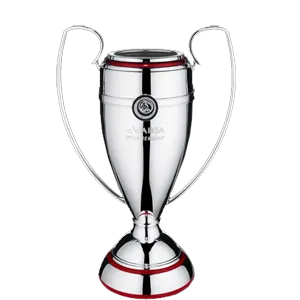
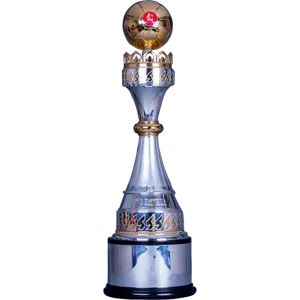
It’s been years, but Dan Egner’s X profile still shows him planting a kiss on the USL Championship’s silver cup. These days, Egner is an agent with NordicSky, representing clients on both sides of the Atlantic. But in 2019, when that picture was taken, he was the technical director of Real Salt Lake at a time when MLS teams had affiliates in the USL, the umbrella organization that runs much of lower-league soccer in the United States, including the second-division USL Championship.

When Salt Lake’s affiliate Real Monarchs won the final, the glory was sweet, but it was not profitable.

“It literally cost us money to win the championship,” Egner told the Guardian. “We sold out both of our home games, which was the only revenue we got, but then we had two road games, one of which was the final … Our travel costs for those two games outweighed the revenue that we brought in from our home games, and there was no prize money.”

The following season, an opposing head coach told Egner that the Monarchs’ financial struggles were far from unique.

“He goes, ‘Dan, my owners sat me down and said if we don’t finish top four, we’d rather not make the playoffs’,” Egner said, noting that a top-four finish meant getting a home playoff game and the resulting revenue.

And yet, with the 2026 World Cup seen as a potential driver of growth, the USL’s focus in recent years has been on expansion. Last February, the USL announced its intention to start a new league, classified as Division I alongside MLS. That March, league president Paul McDonough said it was “likely” they would enact promotion and relegation between the Championship and the new league (since named USL Premier) by 2028. The changes have been hailed as revolutionary for soccer in the US – direct competition to MLS for the first time in the league’s history, and a long-discussed introduction of the promotion/relegation global standard to the US.

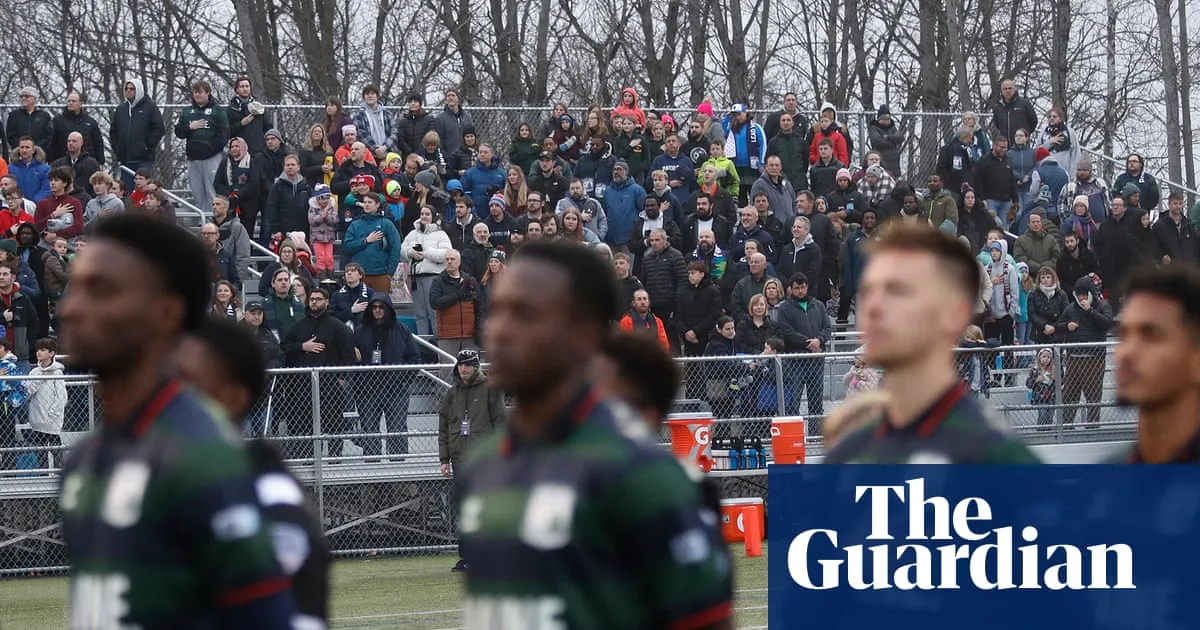
Yet the ensuing year has raised doubts. There is still little to no detail of how the new league, and promotion/relegation will actually work. And while two private equity firms have announced big investments into the USL, it hasn’t improved clubs’ stability. Three USL clubs have ceased operations since the end of last season, including one just three weeks before kickoff. In total, 20 teams in the Championship or League One have bit the dust since 2015. And now, Championship players remain locked in a contentious fight over a new CBA with the league, resulting in silent protests at Championship games on the league’s opening weekend.

With the 2026 season under way, the USL’s rate of attrition warrants a closer look.

Revenue sharing

When they played in USL, Egner’s Monarchs had a few advantages over their counterparts, benefiting in particular from nesting within an MLS organization’s budget. MLS’s revenue sharing program, which sees it distribute some income from media rights and national sponsors to its clubs, guarantees each team a certain level of funding. It’s common practice in other American leagues which share MLS’s centralized, single-entity structure as well as global soccer circuits. The Premier League, for example, equally splits the revenue from its various broadcast deals – amounting to just under £100m ($130m) per club.

The USL, meanwhile, still does not have meaningful revenue sharing with its clubs. Each organization is more or less on its own, hoping to make ends meet through matchday revenue, merchandise sales, and selling players in the transfer market, with most recent moves for starters netting five-figure or low-six-figure returns. In December, Detroit City FC co-owner Sean Mann told Backheeled that “losing $4m a year puts us in the top quartile of most profitable teams in the league.”

He added: “We don’t anticipate any broadcast dollars of any note, and we’ve never looked to the league to generate revenue for us.”

Despite this lack of revenue sharing, the USL has expanded. The league has launched dozens of teams into the second and third divisions over the last decade, more than making up the numbers after MLS’s decision to move its reserve teams to its own ecosystem (MLS Next Pro).

Many of the USL’s new team owners appreciated the fact that, unlike MLS, membership in USL came with fewer strings attached – they might not share in national revenue, but they can run their business the way they see fit, in line with the needs of their communities. They got to feel good about growing access to the game for fans in far-flung communities, and in creating jobs for players and staff alike. Many new club owners cited the 2026 World Cup as the precursor to a national boom of soccer fandom.

And yet, the expansion fees they paid (around $20m for the Championship and over $5m for League One) go directly to headquarters and stay there. Like the USL’s lack of revenue sharing, it’s a departure from other American leagues’ standards, where expansion fees serve as something of a bonus to owners whose investments helped the league grow enough to merit a new team or two.

Per the USL’s publicly available financial statements, 61% of their $56m in revenue came from expansion fees, and that could be due to grow significantly. The USL expects to launch “five or six” expansion clubs within the USL Premier, creating the potential for the league to incur a nine-figure windfall all to itself depending how they value these first-division slots.

The clubs and players, meanwhile, are on their own.

Costs

The USL often points to its owners who build soccer-specific stadiums as key drivers of an ambitious future. Louisville erected one of the finest soccer parks in the country, a cozy 11,600-seater it shares with NWSL sibling club Racing Louisville. The Colorado Springs Switchbacks opened their own 8,000-seat venue a few years ago. Both clubs stand to improve their revenue streams by controlling their home.

But building doesn’t guarantee stability. Take South Georgia Tormenta FC as an example. After launching in 2018 and playing their first seasons at a college stadium, they opened the 3,500-seat Tormenta Stadium at an initial projected cost of $30m, hoping to grow capacity to 5,300 as demand increased. Instead, Tormenta ranked last in League One attendance in 2025, drawing an average of 719 fans – down 36% from 2024.

On 23 February 2026, just 13 days before their home opener and having already sold season tickets for months, the club announced it would not compete in this USL season. It’s not quite folding, but few teams that have gone on hiatus ever come back. A USL source, speaking anonymously given the sensitivity of the subject, said the club had given the league assurances that it would receive a financial injection to remain operationally solvent, and the league was willing to wait in order to keep a longtime member of the league in the picture. Instead, more than three years after opening on 2 October 2022, Tormenta Stadium will host amateur league games.

Across the board, the costs of running a professional team in the US remain high. Reporting from Backheeled estimates the annual expenses of a first-year Championship club to be $24m-$29.5m, and for non-expansion teams to spend $3.7m-$8.4m per year. For League One, those figures come in at about $7.6m-$11.5m for debuting sides and $2.4m-$5.4m for returning teams.

Public records also show that one Championship club (Orange County SC) ultimately spent over $300,000 on TV and radio costs in 2024. Teams pay annual dues exceeding $300,000 as of 2025, while the USL’s franchise agreement ensures $1.50 of every ticket sold across both leagues comes back to the USL itself.

As Dan Egner can attest, travel is also a considerable hit to operating budgets. The USL had hoped to regionalize League One to cut down on travel, but as of 2026, it’s still a fully national league like MLS and the Championship. The league hopes to enact third-tier regionalization once USL Premier debuts, but until then, clubs continue to incur considerable operational costs without league assistance.

Expansion

These costs detailed above require owners who can absorb many financial hits over a long period. Clearly, based on the number of folded teams, not all of them meet that standard.

Beginning when Tormenta became League One’s first member in early 2018, 25 independent clubs have joined the third-division league; five folded or went on hiatus within three years. Of the 17 clubs that will compete in 2026, five are debuting, while four others are in their second season. And if they start to fail, they’re likely done; a USL owner has yet to sell a primary stake to an in-market buyer.

The responsibility of vetting prospective owners falls on the league office. The understanding among club sources is that this process is spearheaded by longtime USL CEO Alec Papadakis and his son, Justin, who has been the league’s chief real estate officer since 2021 and deputy CEO since 2023. Other USL stakeholders weigh in through committees.

“It makes me really nervous when you see the rate that clubs fold,” Egner said. “I don’t see how we can talk about pro/rel when you have clubs fold every year. Until we have 40-plus clubs with no question marks in terms of sustainability, finances, backing, I don’t really think it’s a fair conversation to be having – especially for the players.”

In his role as an agent today, Egner has a general hierarchy of stability for USL clubs that may try signing his clients. In MLS and Next Pro, though, he says there’s no concern about whether a club will be able to operate for the full tenure of a player’s multi-year offer. “With the USL, hopefully this club isn’t the one that folds this year.”

Egner did have a client on Tormenta FC, the first time he’s represented someone who was shocked by his club’s sudden folding. While he was able to find a new team, most of Tormenta’s players will struggle to land on a roster as rival clubs have largely filled their squad and allotted player budget.

“We’re fortunate that it’s the first time that’s happened to one of our players in the USL,” Egner said. “We know guys who have been affected by five clubs folding in their careers.

Labor

Egner said there has been considerable improvement in working conditions since players and the league CBAs; the first labor contracts of their kind for US lower-league athletes. The Championship’s pact expired on 31 December 2025, though, and the offseason has seen the USL Players Association (USLPA) and the league exchange increasingly heated barbs.

On 27 February, the USLPA voted to authorize a strike unless a fresh pact is finalized, citing “90% of the players” rejecting the USL’s last offer from nine days earlier and authorizing “all necessary steps, including calling for a strike if required.” The USL issued a statement to ESPN in response, stating they have “[negotiated] in good faith with the USLPA for more than a year.”

There doesn’t appear to be an imminent breakthrough on a new deal. Last week, the league emailed all Championship players with a PDF that included guidance on how to cross a picket line and how to resign union membership. The opening weekend saw nearly every Championship match begin with all 22 players standing still, arms behind their back, for the first minute.

Weeks earlier, US Soccer announced that Alec Papadakis had been awarded its highest honor, the Werner Fricker Builder Award. “Millions of Americans have experienced soccer because of what Alec and the USL have done,” said federation CEO JT Batson.

That much is undoubtedly true. But now, the league’s new focus on top-division action and promotion/relegation adds an air of experimentation. In the meantime, USL clubs will try to stay afloat in hopes of testing the model.

Mar 10 16:26

FAQs

Football prediction is a pre-match assessment of how a game may unfold and what outcomes are most likely. We combine team form, squad/lineup information, and key statistics to provide a more evidence-based view—not just a simple “score guess.”
We usually update within about 72 hours before kick-off. The closer it is to match time, the more complete the information (injuries, rotation, tactics, and motivation), and the more accurate and timely the analysis—especially alongside market changes.
We cover major leagues and popular cup competitions, including the Premier League, La Liga, Serie A, Bundesliga, and the UEFA Champions League. We also update high-interest events such as the Europa League, FA Cup, EFL Championship, Eredivisie, and Scottish Premiership, with ongoing pre-match stats and trend insights.
To make more reliable pre-match assessments, looking only at "recent results" is far from enough. We use data as the foundation and incorporate additional factors that genuinely influence games, so we avoid being misled by outdated information or one-sided samples.

1) Data is the foundation—but we don't rely on just one or two metrics
Many websites treat "results from the last six matches" as the main basis. However, early in the season, after transfer windows, or following a managerial change, those numbers can be misleading. We consider multiple dimensions to judge whether the performances are sustainable.

2) Head-to-head history can help—but only if it's still relevant
Past meetings are useful context, but if the sample is too old or the teams' squads and investment levels have changed significantly, historical outcomes lose explanatory power and may even distort conclusions.

3) Motivation and emotion often decide outcomes beyond pure strength
Derbies, media pressure, and key moments in relegation battles, top-four races, or title runs can affect intensity, risk appetite, match tempo, and physicality. The more motivated side often fights harder on the day.

4) Squad and tactical matchups shape the probability of scoring and conceding
We pay special attention to:
Whether injuries/suspensions change defensive partnerships and overall structure
Likely formations and matchups (wide areas, set pieces, counterattack space, etc.)
Opponents' attacking profiles and style clashes (who is more likely to impose their preferred rhythm)

5) Clean-sheet and goal likelihood are evaluated separately
Assessing goals and clean sheets isn't just about striker form. We also consider goalkeeper performance, defensive availability, formation choices, and both teams' playing styles to reach a more realistic lean.

Disclaimer: All content is for information and statistical reference only. It does not constitute any guarantee or advice. Please participate responsibly and manage risk.